
Popular Choices for Smoke Detector Battery Replacements You Can Trust
Discover high-performance batteries designed for long-lasting power and easy installation in your smoke detection devices.
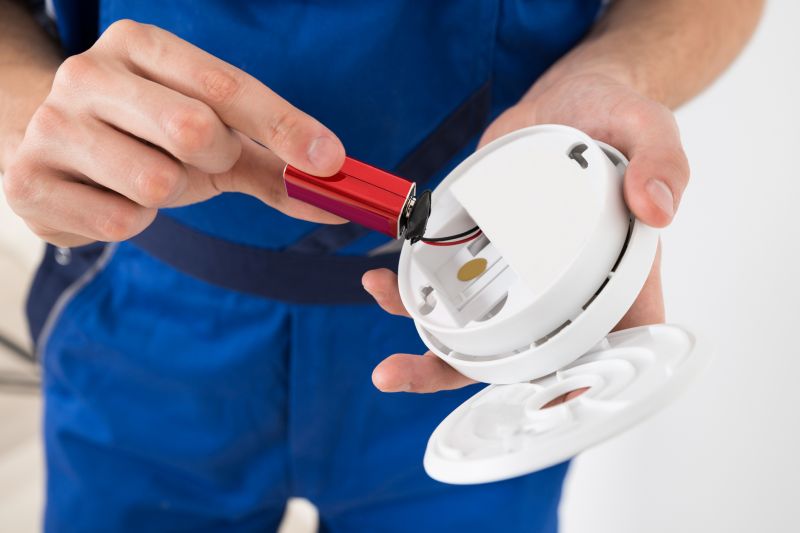 Ensuring the proper functioning of smoke detectors is essential for maintaining safety in residential and commercial spaces. When the battery indicator signals a low power level, selecting the right replacement battery becomes a priority. There are numerous options available, ranging from standard alkaline batteries to more specialized types designed for long-lasting performance. Understanding the differences between these options can help users choose the most suitable product for their smoke detectors.
Top Overall Option
Alkaline 9-Volt Battery
A widely compatible and reliable choice for most smoke detectors, alkaline 9-volt batteries are known for their balanced performance, affordability, and ease of installation. They typically provide consistent power output and have a decent shelf life, making them suitable for regular replacements. When selecting a 9-volt battery, look for options with good leakage resistance and long storage stability to ensure safety and reliability over time.
Types of Products For Smoke Detector Battery Replacements
Alkaline Batteries
Commonly used for their affordability and reliable performance, alkaline batteries are suitable for most smoke detectors requiring 9-volt, AA, or AAA sizes.
Lithium Batteries
Offering longer shelf life and stable power output, lithium batteries are ideal for critical safety devices like smoke detectors that require dependable operation.
Rechargeable Batteries
Designed for repeated use, rechargeable batteries can be a cost-effective option over time, especially for detectors in high-use areas.
Long-Life Batteries
Manufactured to last longer than standard options, these batteries reduce the frequency of replacements and maintenance efforts.
Carbon-Zinc Batteries
An older technology that offers basic power for smoke detectors, suitable for low-drain devices or as a budget option.
High-Drain Batteries
Specifically designed for devices with higher energy demands, ensuring consistent performance in more advanced smoke detection systems.
Button Cell Batteries
Small and compact, these batteries are used in specialized smoke detectors or combination devices with additional sensors.
Rechargeable Lithium-Ion Batteries
Offering high energy density and long cycle life, suitable for advanced or commercial smoke detection systems.
Extended Shelf Life Batteries
Designed to retain charge over extended periods, these batteries are ideal for emergency preparedness and infrequent use.
Leak-Resistant Batteries
Built with protective features to prevent leakage and corrosion, ensuring safety and longevity of your smoke detectors.
Popular Choices
A common choice among homeowners for their balance of performance and affordability, suitable for many smoke detectors.
Favored for their longer shelf life and stable power, making them a popular option for safety devices.
Increasingly used for their reusability and cost savings over time, especially in high-traffic areas.
Preferred for smaller or compact smoke detectors, offering extended performance between replacements.
Chosen for critical safety applications requiring dependable power over extended periods.
Popular for convenience and cost-effectiveness, providing multiple replacements for several detectors.
Trusted for their durability and safety features, reducing the risk of damage to detectors.
A trending choice for those seeking fewer replacements and consistent performance.
Popular for advanced detection systems that demand higher energy output.
Used in specialized or combination smoke detectors, appreciated for their compact size.
Battery replacements are typically straightforward, but compatibility is key. Many smoke detectors use specific battery types, such as 9-volt, AA, or AAA, while others may require lithium or rechargeable batteries. The choice often depends on the detector's design and the desired lifespan of the replacement. Additionally, some batteries feature enhanced features like extended shelf life, leak resistance, or higher energy density, which can contribute to reliable operation over time.
Proper installation and regular maintenance are crucial for optimal performance. When replacing batteries, it's advisable to follow the manufacturer's instructions carefully to ensure safety and functionality. Regularly testing smoke detectors after battery replacement helps confirm they are working correctly. For those seeking convenience, some products offer easy-to-install features or multi-packs for multiple detectors, simplifying the maintenance process.
Selecting the right product involves considering factors such as battery type, longevity, safety features, and cost. By choosing high-quality replacements, users can help ensure their smoke detectors operate effectively when needed most. Whether upgrading existing detectors or preparing for future replacements, understanding the available options can make the process smoother and more reliable.
Key Buying Considerations
- Compatibility: Ensure the battery size and type match your smoke detector's specifications.
- Battery Life: Consider the expected lifespan and how often replacements are needed.
- Shelf Stability: Look for batteries with a long shelf life to prevent replacement delays.
- Leak Resistance: Select batteries with protective features to avoid damage from leaks or corrosion.
- Performance Consistency: Choose batteries known for stable power output over time.
- Rechargeability: Decide if rechargeable options suit your maintenance preferences and budget.
- Cost-Effectiveness: Balance initial price with long-term performance and lifespan.
- Brand Reliability: Opt for reputable brands to ensure quality and safety.
- Environmental Conditions: Consider batteries designed to perform well in your climate or storage conditions.
- Ease of Installation: Look for batteries that are straightforward to replace without tools or difficulty.
- Safety Features: Ensure batteries have safety features like leak resistance and secure terminals.
- Availability: Choose products that are readily available for timely replacements.
- Compatibility with Multi-Detector Systems: If managing multiple detectors, consider bulk or multi-packs.
- Energy Density: Higher energy density batteries can provide longer performance between replacements.
- Regulatory Compliance: Verify that batteries meet safety standards relevant to your region.
This content contains affiliate links. We may earn a commission if you purchase through these links, at no additional cost to you.