Smoke Detector Battery Replacement Guide
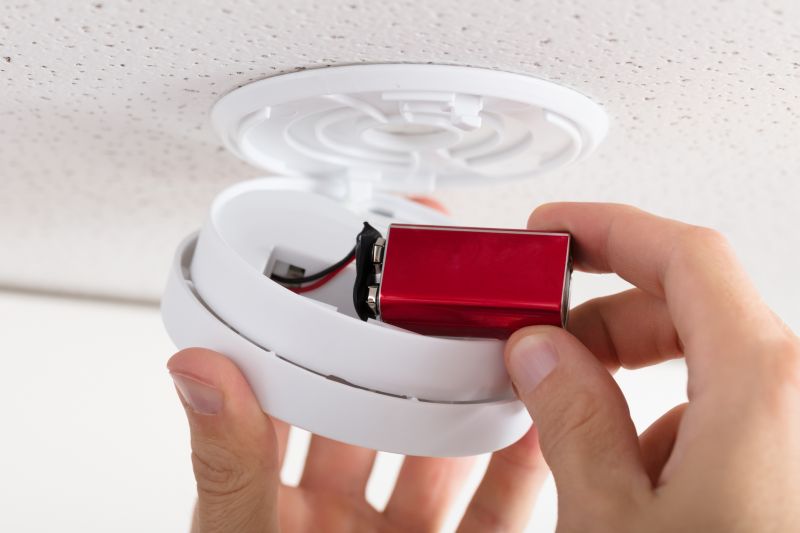
Replacing batteries when clocks change ensures detectors are functioning properly.

Biannual checks during spring and fall help maintain optimal smoke detector performance.
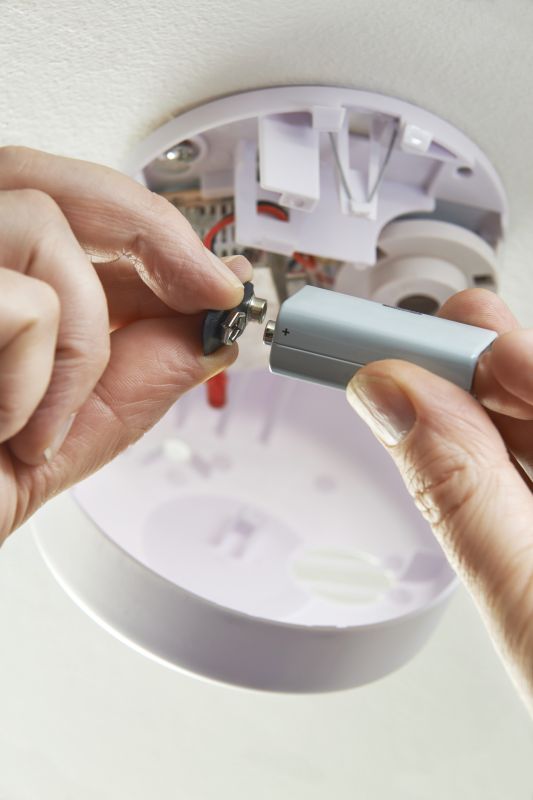
Replacing batteries before peak holiday times ensures safety during gatherings.
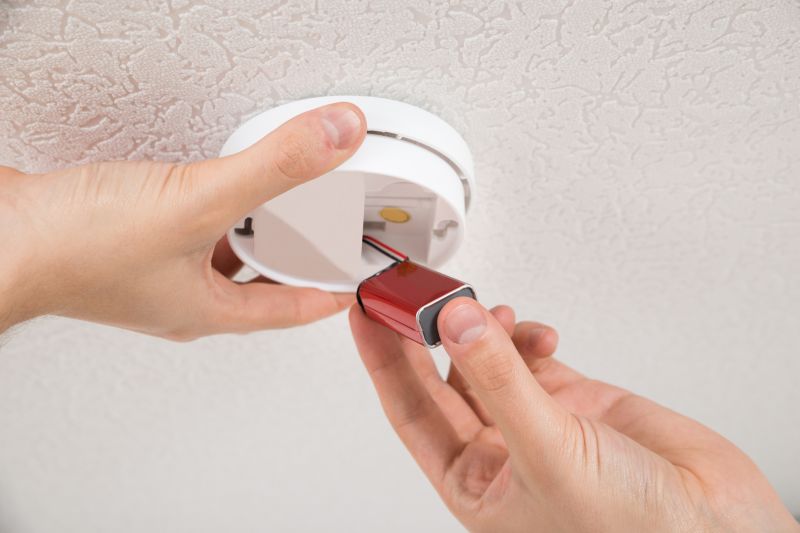
Ways to make Smoke Detector Battery Replacements work in tight or awkward layouts.
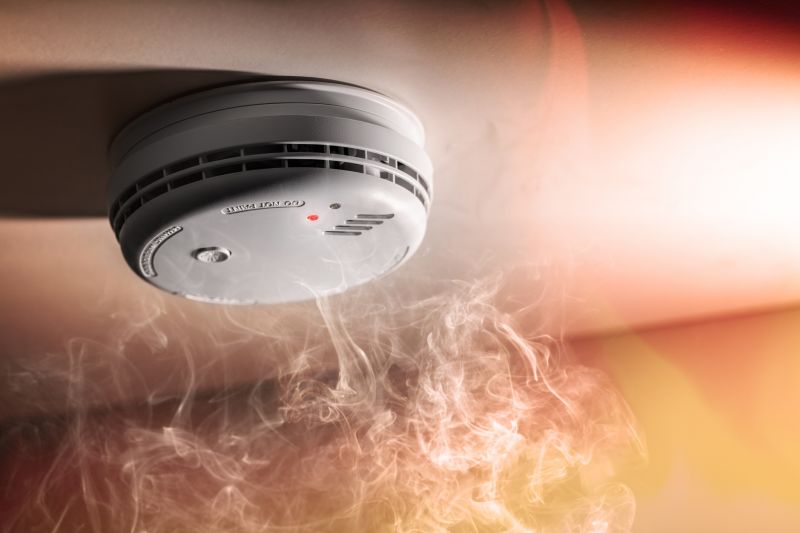
Popular materials for Smoke Detector Battery Replacements and why they hold up over time.
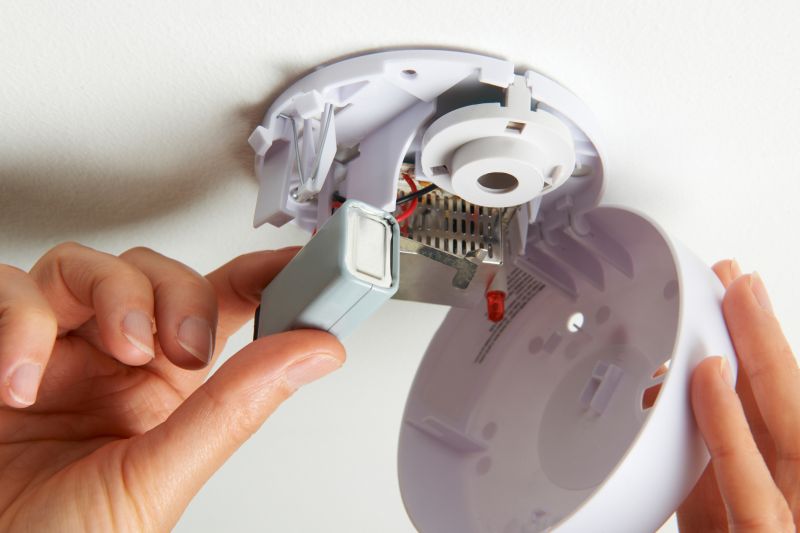
Simple add-ons that improve Smoke Detector Battery Replacements without blowing the budget.

High-end options that actually feel worth it for Smoke Detector Battery Replacements.
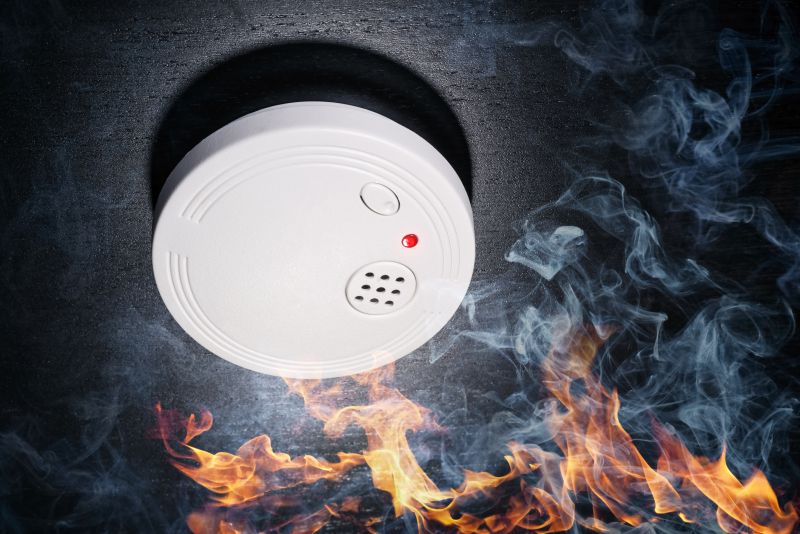
Finishes and colors that play nicely with Smoke Detector Battery Replacements.
Smoke detector battery replacements are essential for ensuring the devices operate correctly in case of fire. Regularly changing batteries can prevent malfunctions and false alarms, which are critical for early fire detection. Statistics indicate that functioning smoke detectors significantly reduce fire-related injuries and fatalities. Experts recommend testing detectors monthly and replacing batteries at least once a year, or immediately if a low-battery alert sounds.
Ensuring smoke detectors have fresh batteries maintains their reliability and safety performance.
Most detectors emit a chirping sound when batteries are low, signaling the need for replacement.
Commonly used batteries include 9-volt and AA batteries, which should be checked regularly.
Dead or missing batteries can render smoke detectors ineffective during emergencies.
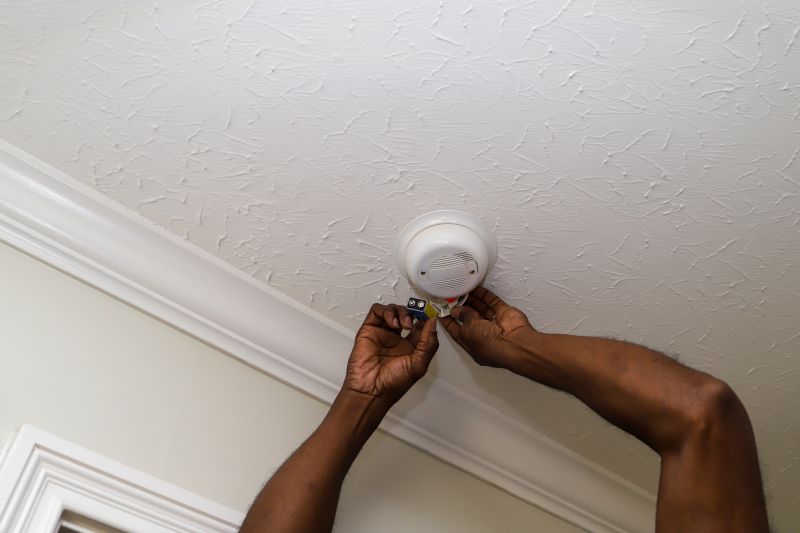
A properly functioning detector with fresh batteries.
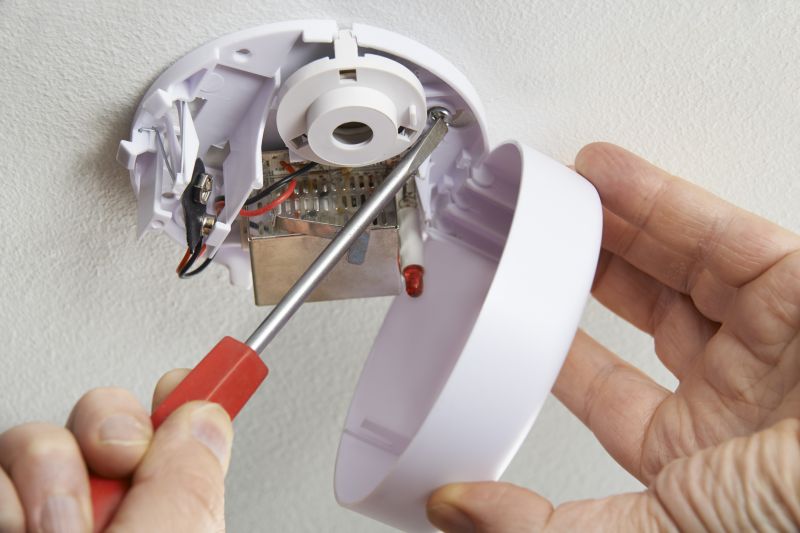
Indicates low battery, requiring replacement.
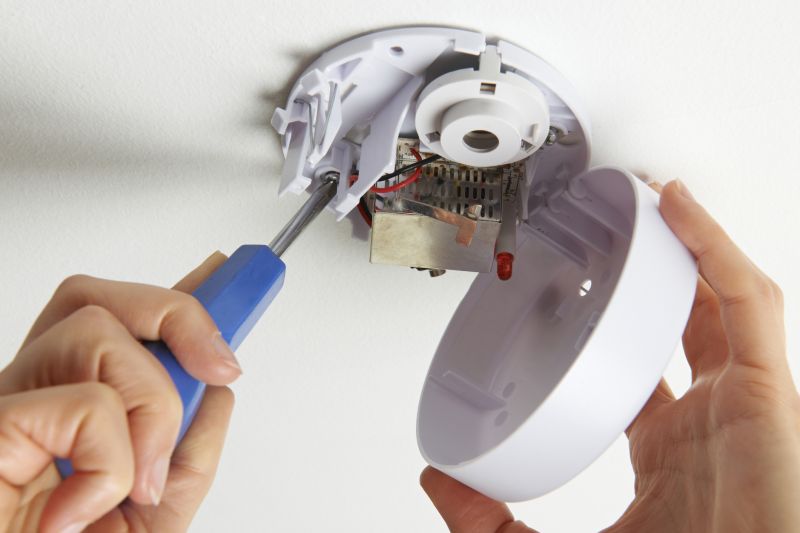
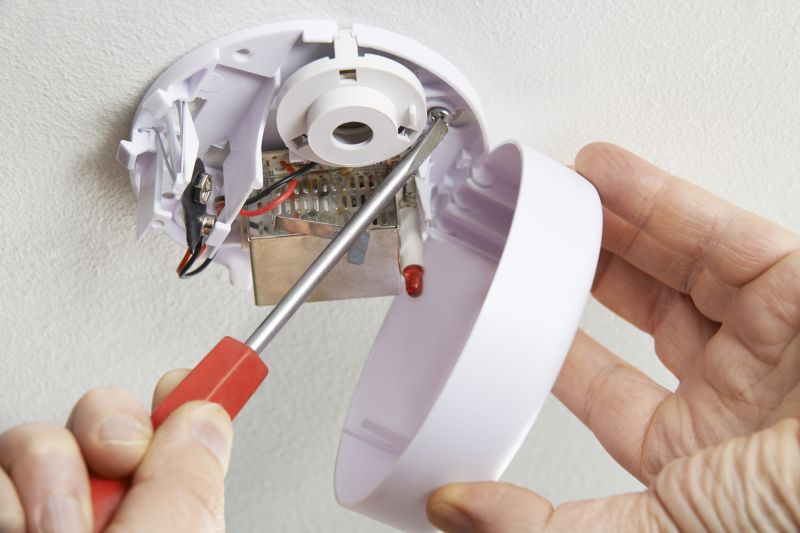
Step-by-step process for replacing batteries safely.
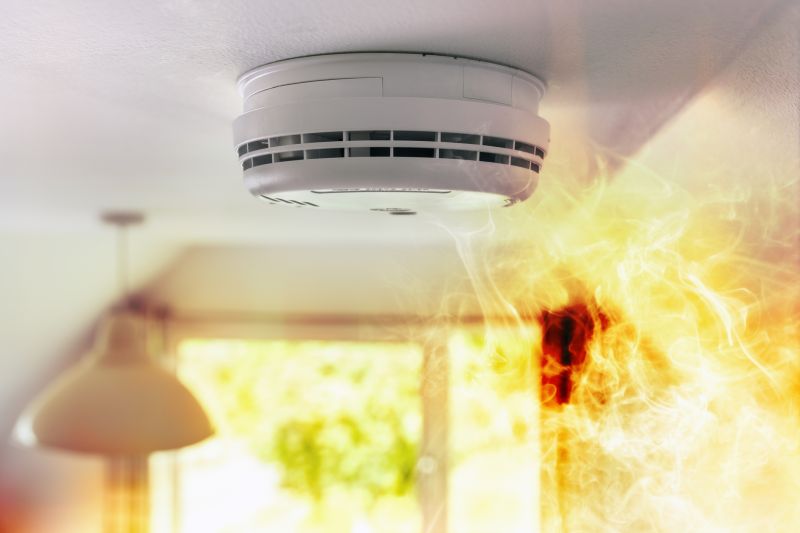
Ensures detectors are working after battery replacement.

Little measurements that prevent headaches on Smoke Detector Battery Replacements day.
A 60-second routine that keeps Smoke Detector Battery Replacements looking new.
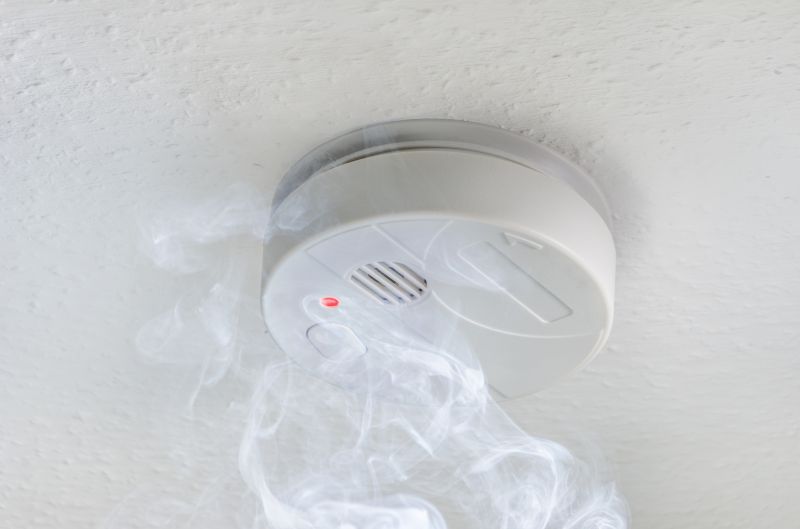
A frequent mistake in Smoke Detector Battery Replacements and how to dodge it.
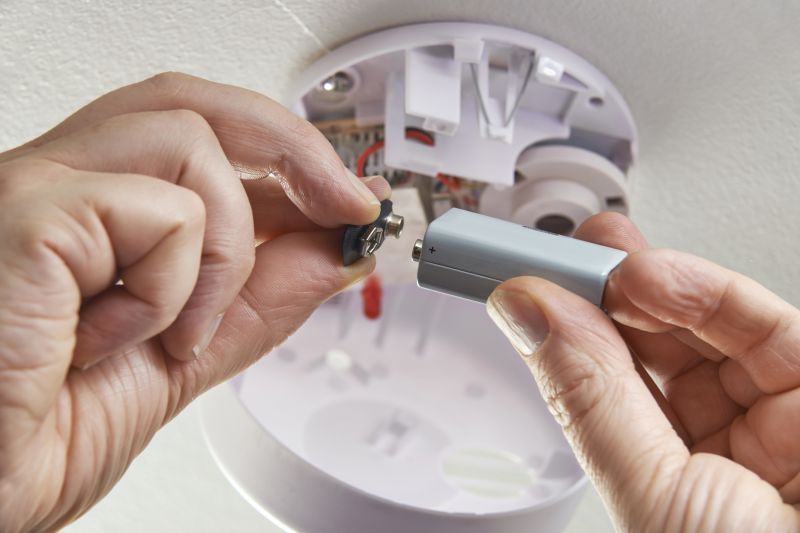
Small tweaks to make Smoke Detector Battery Replacements safer and easier to use.
| Question | Answer |
|---|---|
| When should I replace smoke detector batteries? | At least once a year or when the detector chirps. |
| How do I know if my smoke detector needs a new battery? | It chirps or emits a low-battery warning sound. |
| Can I use any batteries for smoke detectors? | Use the type recommended by the manufacturer, typically 9-volt or AA. |
| Is it necessary to test detectors after replacing batteries? | Yes, to ensure they are functioning properly. |
| What is the best time to perform battery replacements? | During daylight saving time changes or biannual checks. |
| Are there signs that indicate a smoke detector is failing? | Frequent false alarms or failure to respond during tests. |
| Should I replace batteries in all detectors at the same time? | Yes, for consistent safety coverage. |
| What is the impact of dead batteries on fire safety? | They can prevent detectors from alerting during a fire. |
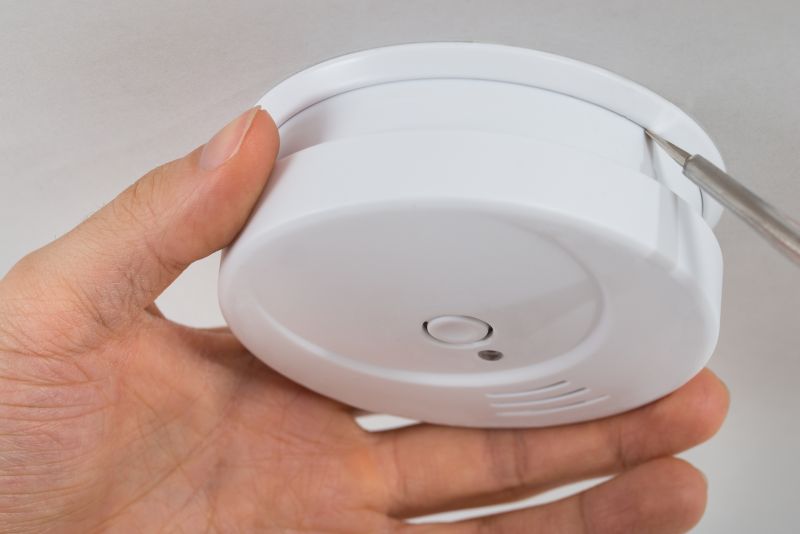
Tools needed for safe battery replacement.
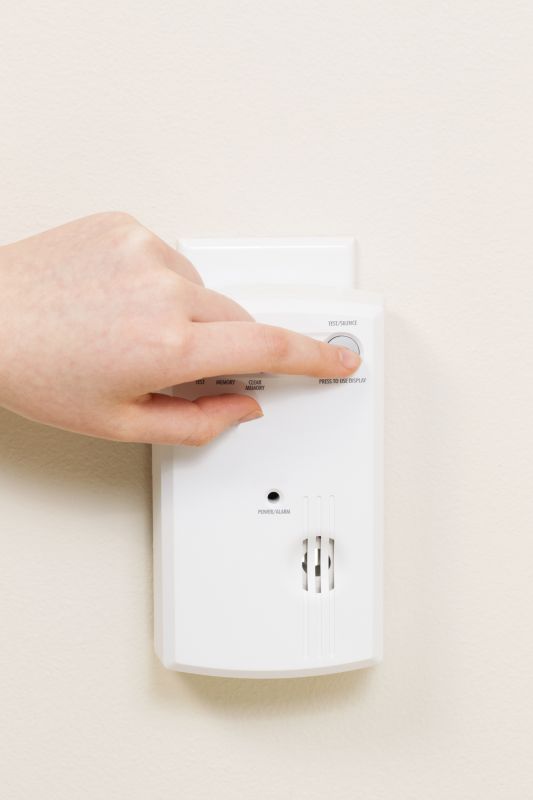
Using test buttons to verify operation after replacement.
Disposing of old batteries safely and responsibly.

Visual cue for low battery or malfunction.

The short, realistic tool list for quality Smoke Detector Battery Replacements.

Rough timing from prep to clean-up for Smoke Detector Battery Replacements.
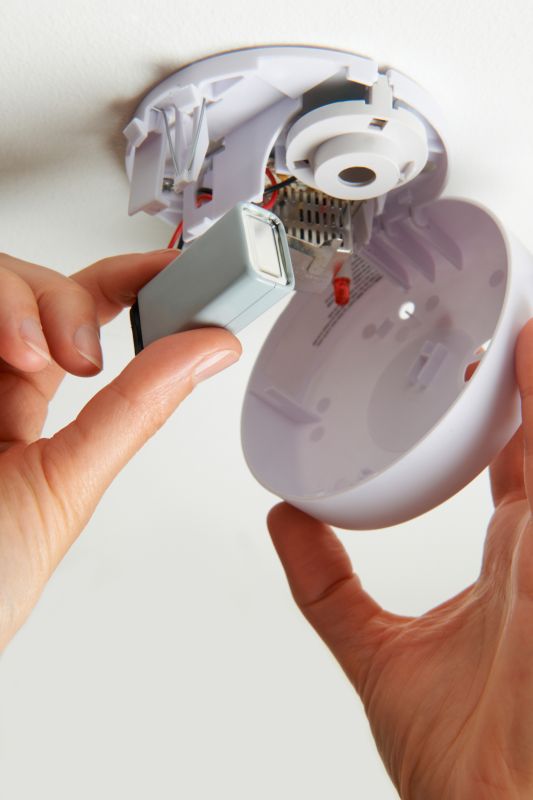
Quick checks and paperwork to keep after Smoke Detector Battery Replacements.
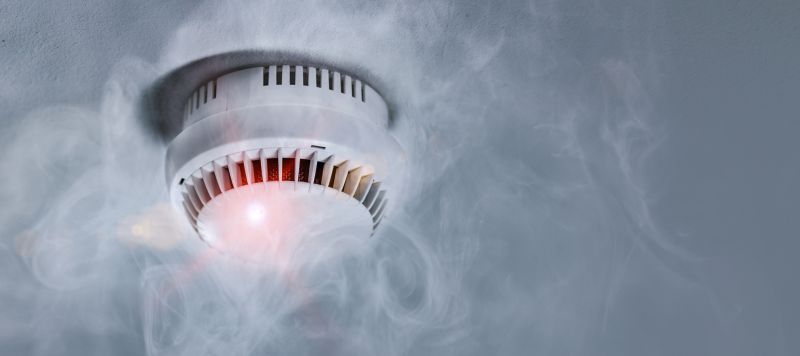
Examples that show the impact a good Smoke Detector Battery Replacements can make.
Maintaining smoke detectors through regular battery replacements is vital for fire safety. Proper timing and consistent checks ensure devices are operational when needed most. Replacing batteries during scheduled times, like daylight saving changes or biannual reminders, helps prevent forgetfulness. Ensuring detectors are tested after battery changes confirms their readiness to alert occupants in case of fire.
Interested in professional assistance with smoke detector battery replacements? Filling out the contact form provides a convenient way to schedule inspections or replacements, ensuring safety and compliance. Regular maintenance can help avoid emergency situations and maintain peace of mind.